- Free shipping on U.S. orders over $99
- Free Premium Shaker on Orders $125+

Should Teens Take Supplements? A Parent’s Guide to Safe Options for Young Athletes
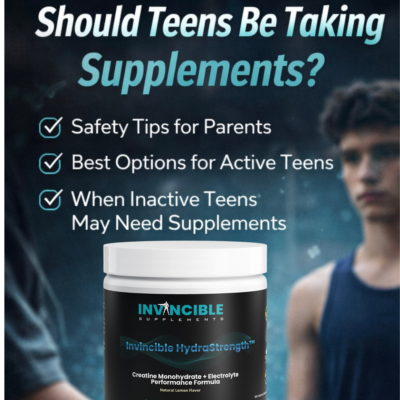
Should Teens Take Supplements? A Parent’s Guide to Safe Options
With the rise of youth sports, training programs, and social media fitness trends, more parents are asking:
Are supplements safe for teens?
The answer is not simply yes or no. It depends on the teen’s activity level, diet, and overall health.
Supplements are not a shortcut. They are tools that should match a teen’s lifestyle, training, and nutritional needs.
Why Some Teens May Benefit From Supplements
Teens involved in sports, strength training, or high levels of physical activity often have increased nutritional demands.
These demands can be harder to meet consistently through food alone, especially with school, sports, and busy schedules.
In the right situation, certain supplements may help support:
- Recovery from training
- Muscle development
- Hydration and performance
- Overall nutrient intake
Best Supplements for Active Teens
1. Protein
Protein supports muscle growth and recovery. For teens who struggle to eat enough protein during the day, a protein shake can be a convenient option.
You can explore clean protein options here:
Protein Products.
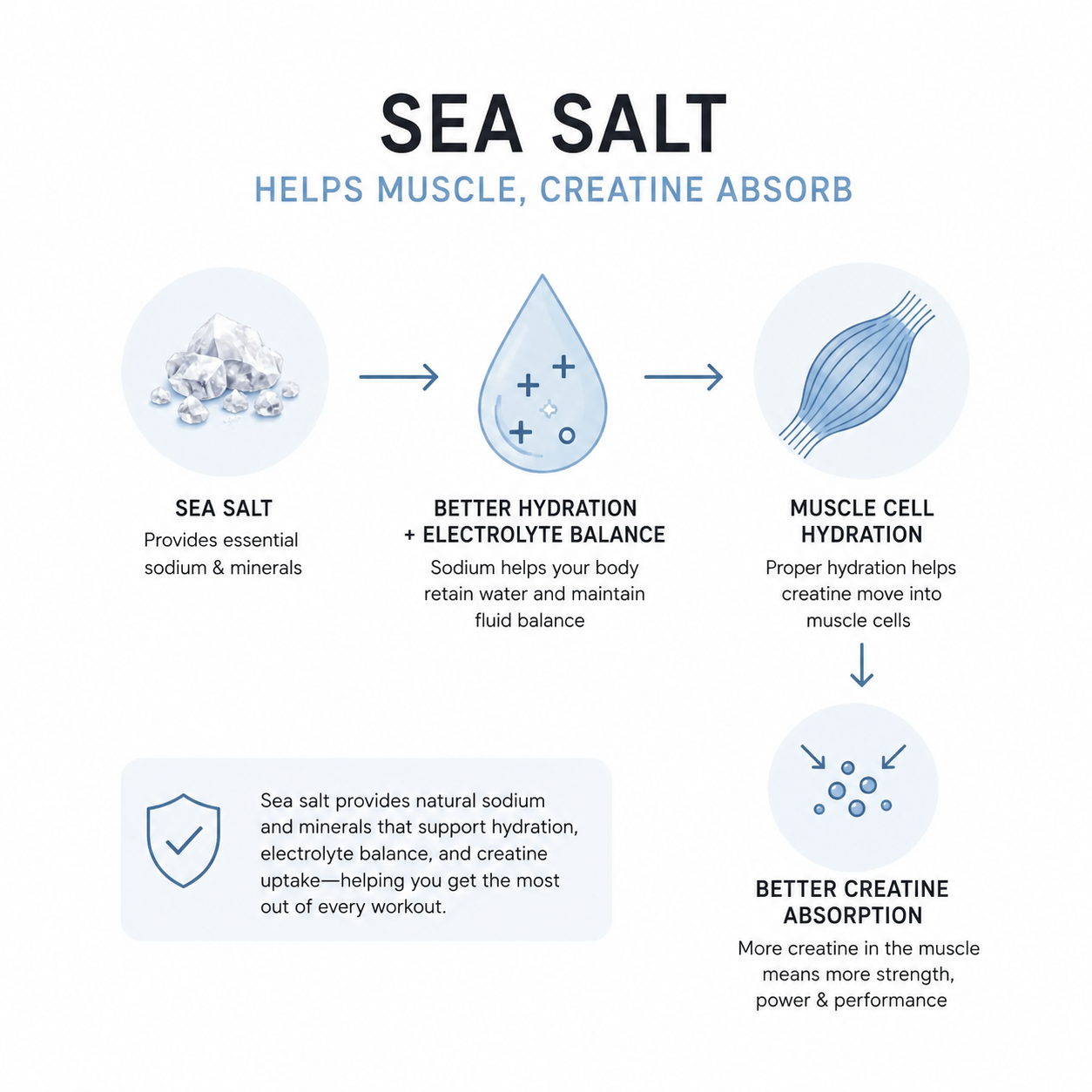
2. Creatine
Creatine is one of the most researched supplements for strength and performance. It may support power output and muscle performance, especially in athletes who train consistently.
If you want to learn more about a simple creatine option, visit:
Creatine Monohydrate.
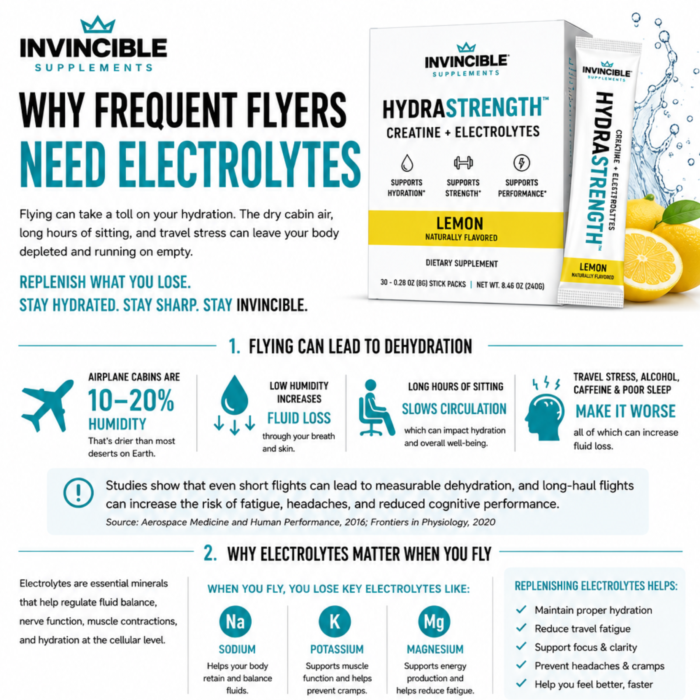
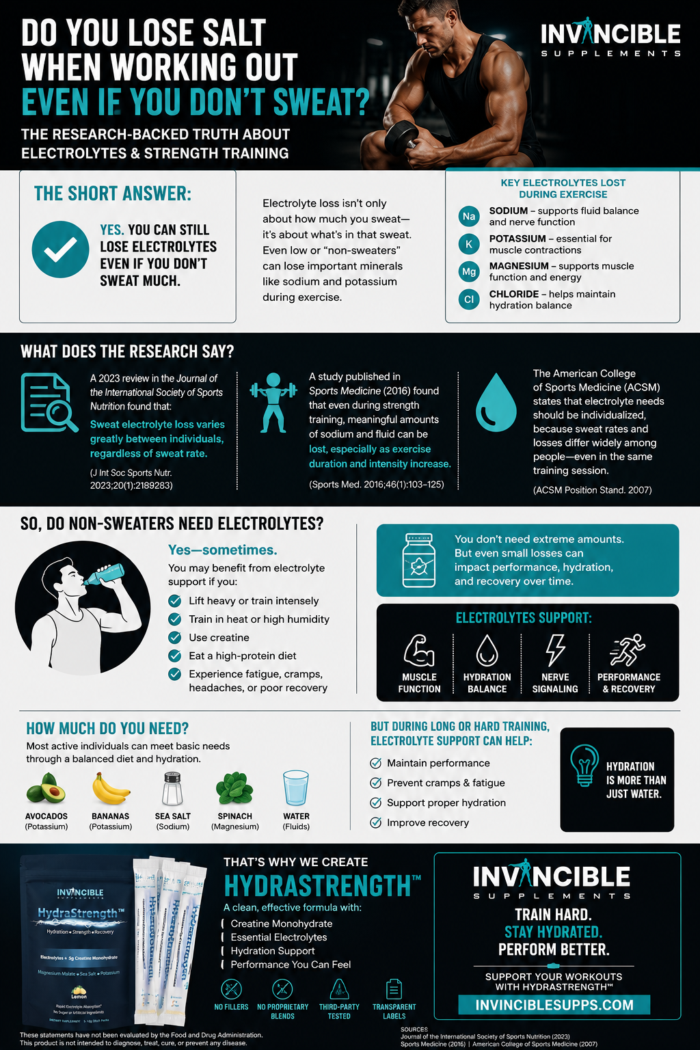
3. Electrolytes
Electrolytes like sodium, potassium, and magnesium support hydration and muscle function. This can be especially important for teens who sweat heavily during sports or training.
For hydration support, see:
Invincible HydraStrength.
4. Vitamin D+K2
Vitamin D supports immune health, bone development, and overall wellness. Many teens may not get enough vitamin D, especially with limited sun exposure.
If you want to learn more about Vitamin D+k2, visit:
Vitamin D+K2
5. Omega-3 Fatty Acids
Omega-3s can support brain health, recovery, and overall wellness.
If you want to learn more about Omega 3s visit:
Omega-3s
What About Teens Who Aren’t Very Active?
If a teen is not involved in sports or intense training, their supplement needs are usually different.
They generally do not need performance supplements like creatine or hydration formulas built for training.
Instead, the focus should usually be on:
- Balanced nutrition
- Whole foods
- Basic micronutrients
In some cases, supplements like multivitamins, vitamin D, or omega-3s may help fill nutritional gaps.
Common Mistakes Parents and Teens Make
- Using supplements without understanding their purpose
- Replacing meals with shakes instead of improving diet
- Following trends without guidance
- Taking performance supplements without training
The goal should always be to support a healthy lifestyle, not replace it.
Are Supplements Safe for Teens?
Many supplements can be safe when used appropriately.
Safety depends on:
- Quality of the product
- Proper dosage
- Individual needs
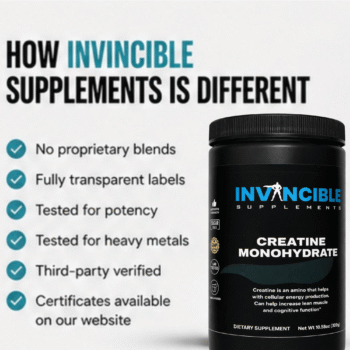
Parents should focus on clean, transparent supplements and avoid products with unnecessary fillers, stimulants, or extreme claims.
The Bottom Line
For active teens, the right supplements may help support performance, hydration, and recovery.
For less active teens, the focus should be on overall nutrition and foundational health support.
The key is using supplements strategically and responsibly.
Looking for Clean, Transparent Supplements?
At Invincible Supps, we focus on high-quality ingredients designed to support performance, recovery, and overall health.
Frequently Asked Questions
Are supplements safe for teens?
Some supplements can be safe for teens when used appropriately, but it depends on the teen’s age, activity level, diet, and the quality of the product. Parents should focus on supplements that support real nutritional needs rather than trends.
Can teen athletes take creatine?
Creatine may make sense for teen athletes who train consistently and already have a solid nutrition routine. It should be used responsibly and ideally with parent oversight and guidance from a qualified professional.
Do teens need protein powder?
Not always. If a teen already gets enough protein from whole foods, protein powder may not be necessary. But it can be a convenient option for active teens who struggle to hit daily protein needs.
What supplements are best for teen athletes?
For active teens, the most practical options are usually protein, hydration support, vitamin D, omega-3s, and in some cases creatine. The best choice depends on the teen’s training level and overall diet.
Do inactive teens need supplements?
Teens who are not very active usually do not need performance supplements. In those cases, basic nutrition, vitamin D, omega-3s, or a multivitamin may be more appropriate if there are nutritional gaps.