
A lot of people hear “1000mg sodium” and immediately think:
“That sounds like too much.”
But here’s the problem:
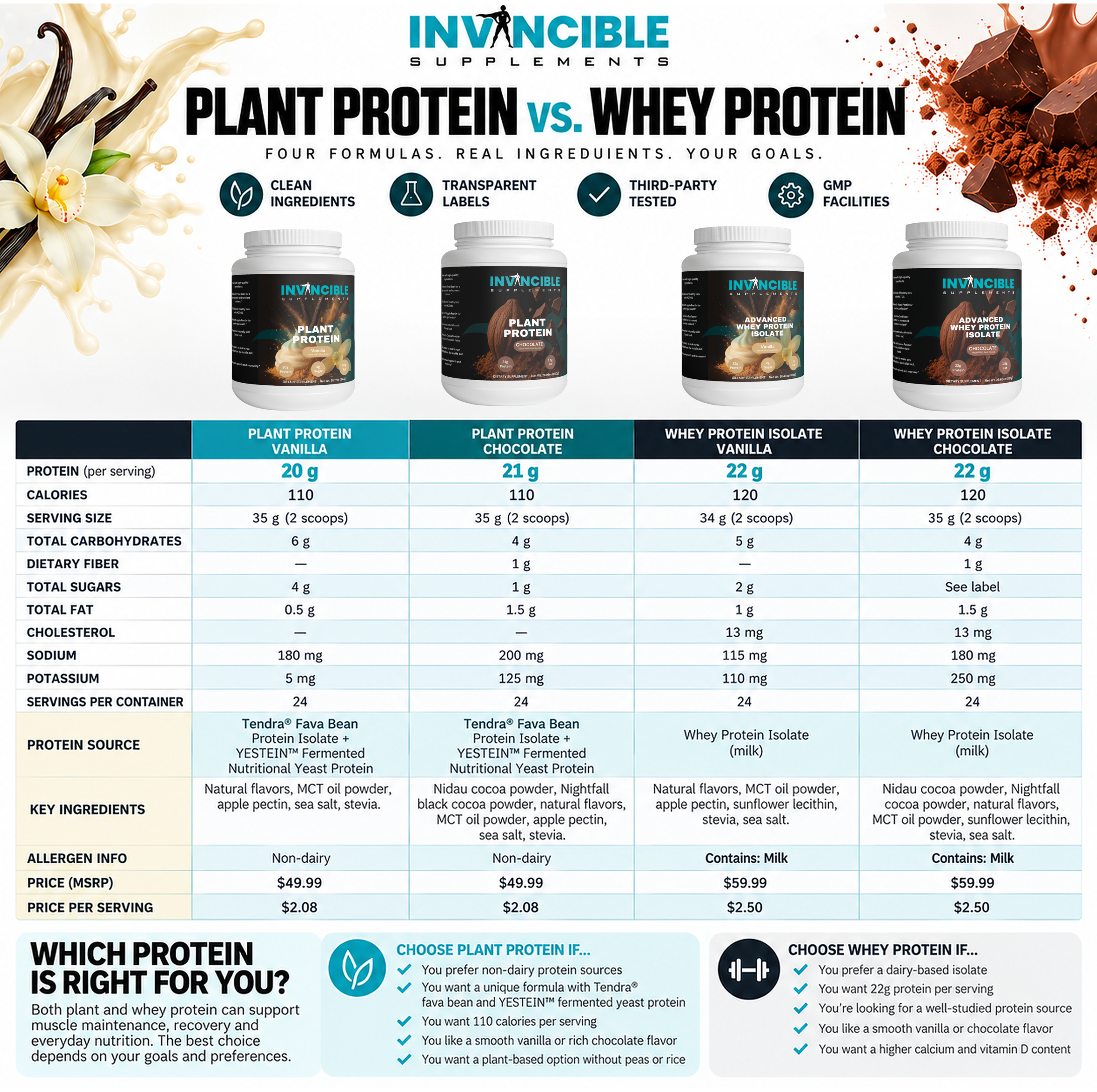
Most people associate sodium with ultra-processed foods, fast food, and junk snacks loaded with unhealthy fats, additives, and low-quality ingredients.
That’s NOT the same thing as intentional electrolyte support.
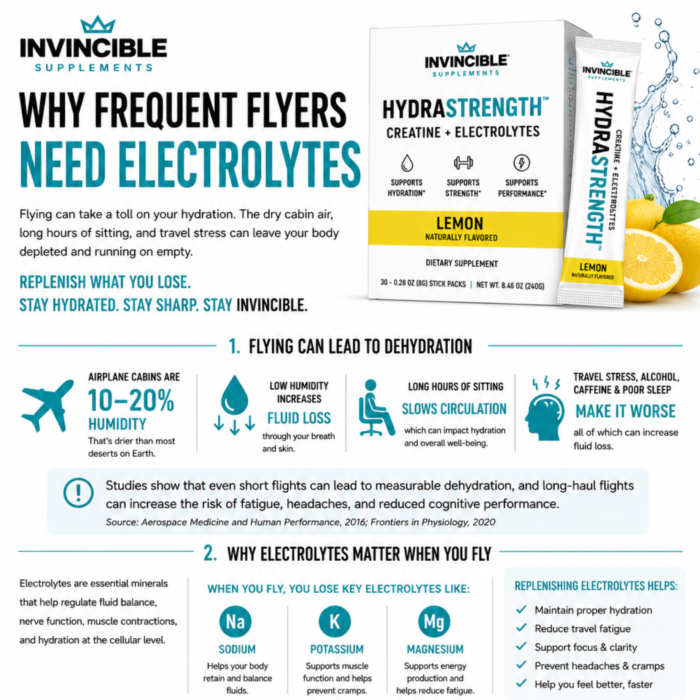
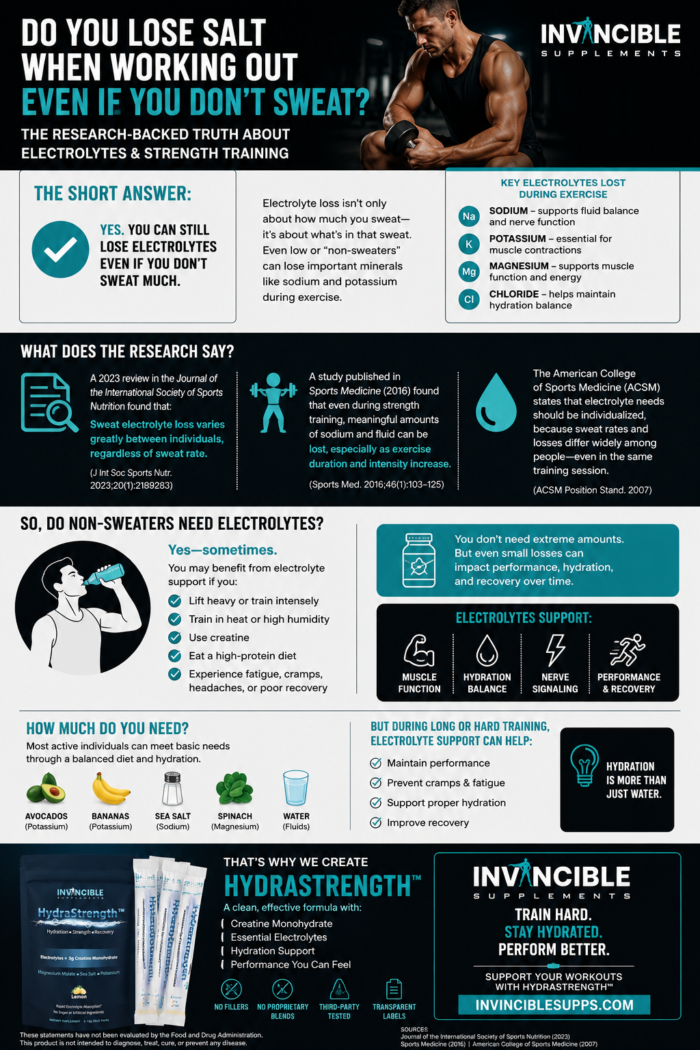
Sodium is one of the body’s most important electrolytes.
It plays a critical role in:
In fact, sodium is considered one of the most important electrolytes for hydration and muscular performance.
When you train, sweat, or stay active, your body naturally loses sodium and other electrolytes.
That’s why many athletes and active individuals intentionally replenish electrolytes during and after workouts.
There’s a major difference between sodium from highly processed junk food and mineral-rich sea salt used for hydration and performance support.
Processed foods are often loaded with:
HydraStrength™ uses sea salt intentionally to help support:
Not just another sugary sports drink.
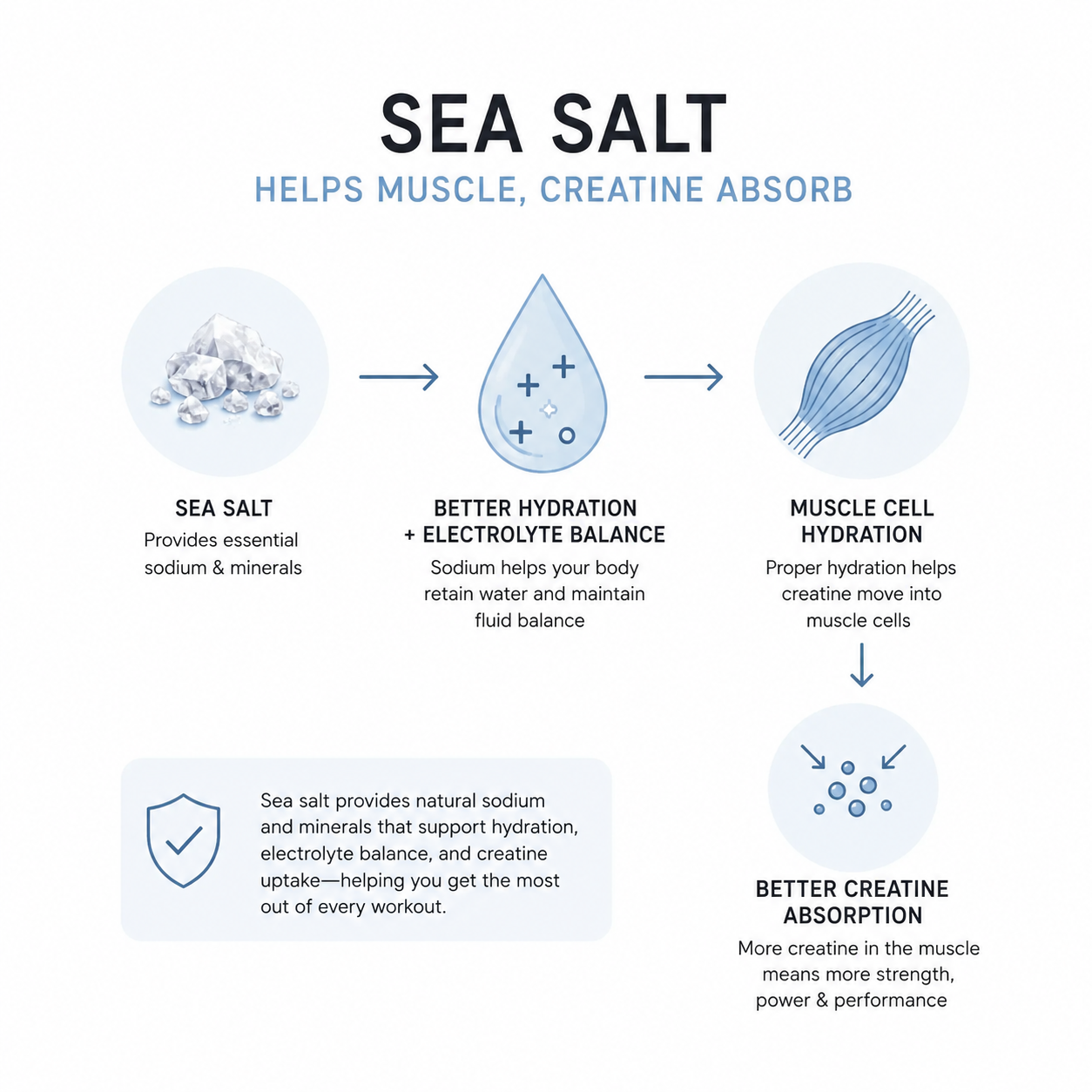
One thing many people don’t realize is that hydration status can influence how effectively creatine functions inside muscle cells.
Creatine works by helping pull water into muscle cells, while electrolytes like sodium help support:
In other words:
Hydration and electrolytes help create an environment where creatine can work more effectively.
That’s one reason why HydraStrength™ combines:
Into one clean hydration and recovery formula.
For healthy active adults, 1000mg sodium is not considered an extreme amount — especially in the context of exercise, sweating, hydration, and electrolyte replenishment.
For perspective:
Healthy sodium intake for hydration and performance is very different from simply consuming ultra-processed foods all day.
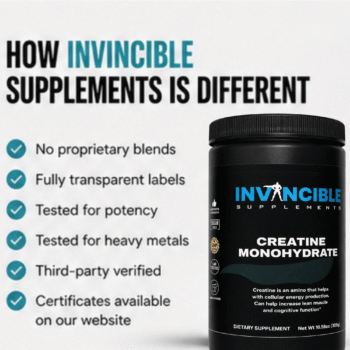
Most hydration products are loaded with:
We wanted something different.
HydraStrength™ was designed to support:
Without sugar, fillers, or artificial junk.
Sea salt isn’t the enemy.
For active individuals, proper electrolyte intake can play an important role in hydration, muscle function, recovery, and creatine support.
The key is understanding the difference between intentional electrolyte support and ultra-processed diets.
HydraStrength™ was built to support real performance with:
Train hard. Hydrate smarter.
Shop HydraStrength™ today and experience hydration, strength, and recovery support in one formula.